
Call us for any question
8500003104Meds Super Speciality Hospital
MallepallyTimings: 7 pm to 10 pm
mohammed4248asif@gmail.com



Blog s
Latest Post
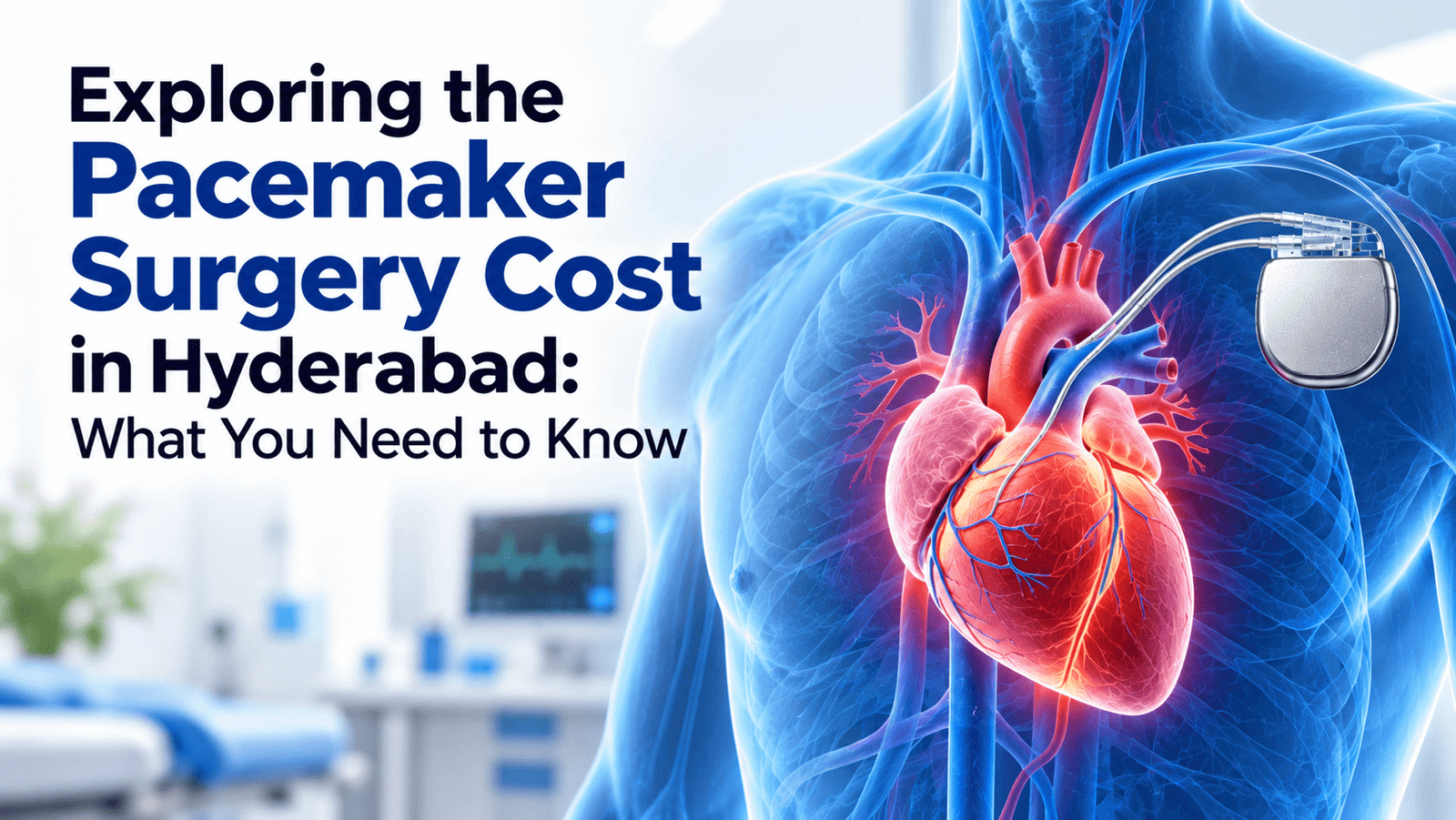
Exploring the Pacemaker Surgery Cost in Hyderabad: What You Need to Know
Exploring the Pacemaker Surgery Cost in Hyderabad: What You Need to Know If you or a loved one has been advised to undergo pacemaker implantation, one of the first questions that may come to mind is how much does pacemaker surgery cost in Hyderabad. Pacemaker implantation is an important treatment for certain heart rhythm problems. While cost is an important consideration, the total expense can vary depending on the type of pacemaker, the patients medical condition, hospital facilities, doctors expertise, investigations, and follow up care. Understanding these factors can help patients and families make informed decisions about treatment.
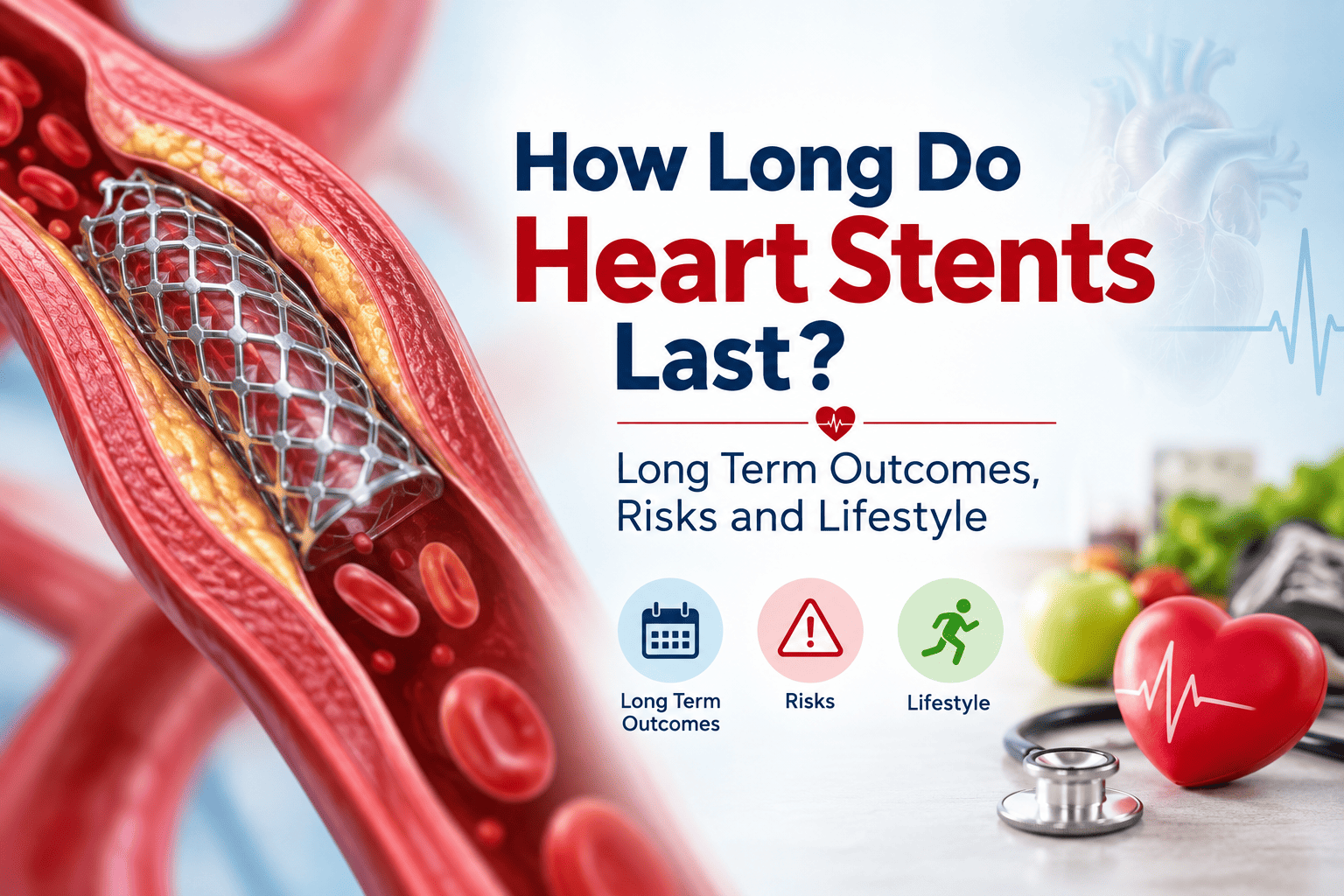
How Long Do Heart Stents Last Long Term Outcomes Risks and Lifestyle Guidelines
How Long Do Heart Stents Last Long Term Outcomes Risks and Lifestyle Guidelines

Can a Healthy Person Still Have Blocked Arteries? What You Need to Know
Coronary artery disease does not always affect people who appear unhealthy. A person can be physically fit and still develop plaque buildup in the arteries, sometimes without experiencing obvious symptoms. This is why understanding your heart health, cholesterol levels, blood pressure and cardiovascular risk factors is important, even if you consider yourself a healthy person. Knowing the early blocked arteries symptoms and heart disease symptoms can also help you understand when it may be time to seek medical advice.

Do You Really Need an Annual Heart Checkup?
Many people believe that a heart checkup is only necessary when they experience chest pain, breathing difficulties, or other heart related symptoms. However, heart disease can sometimes develop without noticeable warning signs. Regular heart checkups can help identify important risk factors such as high blood pressure, high cholesterol, diabetes, obesity, and other cardiovascular concerns at an early stage. An annual heart checkup does not mean that everyone needs the same tests every year. The need for a heart evaluation depends on your age, medical history, lifestyle, family history, and existing risk factors. A regular consultation with a cardiologist can help determine which tests are appropriate for your individual health condition. Why Is an Annual Heart Checkup Important? The heart continuously works to supply oxygen rich blood throughout the body. Problems affecting the heart or blood vessels can gradually develop over time. Conditions such as high blood pressure and high cholesterol may not cause any obvious symptoms but can increase the risk of heart attack, stroke, and other cardiovascular complications. A regular heart checkup allows the doctor to assess your overall cardiovascular health and identify potential problems before they become serious. Who Should Consider Regular Heart Checkups? Regular heart health evaluations can be particularly important for people who have certain risk factors, including High blood pressure High cholesterol Diabetes or high blood sugar Obesity or being overweight Smoking or tobacco use A family history of heart disease Lack of regular physical activity High levels of stress Previous heart related problems Age related cardiovascular risk factors What Happens During a Heart Checkup? During a heart checkup, the cardiologist will first discuss your medical history, lifestyle, symptoms, medications, and family history. Based on the findings, the doctor may recommend certain examinations or tests. Blood Pressure Check Blood pressure is an important part of cardiovascular health. High blood pressure can place additional strain on the heart and blood vessels and may increase the risk of heart disease if it remains uncontrolled. Cholesterol Test High levels of certain types of cholesterol can contribute to plaque buildup in the arteries. A cholesterol test can help your doctor understand your cardiovascular risk and recommend appropriate lifestyle changes or treatment. Blood Sugar Test Diabetes and high blood sugar can increase the risk of heart disease. Depending on your health and risk factors, your doctor may recommend blood sugar or HbA1c testing. Electrocardiogram An electrocardiogram, commonly known as an ECG, records the electrical activity of the heart. It may be recommended when a patient has certain symptoms or when the doctor identifies a reason for further evaluation. Other Heart Tests Depending on your symptoms and risk factors, your cardiologist may recommend additional tests such as an echocardiogram, stress test, or other cardiac investigations. These tests are not necessarily required for everyone every year. Risk Factors That Can Affect Heart Health Several factors can increase the possibility of developing cardiovascular disease. Understanding these risks can help you take preventive measures. Age and overall health condition Family history of heart disease High blood pressure High cholesterol Diabetes Smoking and tobacco consumption Being overweight or obese Physical inactivity Unhealthy eating habits Excessive stress When Should You Visit a Cardiologist? You should not wait for your annual checkup if you develop symptoms that could indicate a heart problem. Early medical evaluation can be important when symptoms are persistent, unusual, or severe. Some symptoms that should not be ignored include Chest pain or pressure Shortness of breath Unusual or persistent heart palpitations Dizziness or fainting Unexplained tiredness Swelling in the legs or feet Breathing difficulty during physical activity If you experience sudden or severe chest pain, severe breathing difficulty, fainting, or other serious symptoms, seek emergency medical attention immediately. Heart Healthy Habits Between Checkups A regular heart checkup is only one part of maintaining good cardiovascular health. Your everyday habits also play an important role in protecting your heart. Follow a balanced and nutritious diet Include more vegetables, fruits, whole grains, and lean protein in your diet Limit excess salt, unhealthy fats, and processed foods Exercise regularly according to your doctors advice Maintain a healthy body weight Avoid smoking and tobacco products Limit alcohol consumption Manage stress through healthy activities Get adequate sleep Take prescribed medicines regularly Monitor blood pressure, blood sugar, and cholesterol as advised by your doctor How Often Should You Have a Heart Checkup? The frequency of heart checkups can vary from person to person. A healthy individual without significant cardiovascular risk factors may not require extensive heart testing every year. However, people with high blood pressure, diabetes, high cholesterol, previous heart disease, or a strong family history may need regular monitoring. Your cardiologist can assess your individual risk factors and recommend how often you should have a cardiovascular evaluation and whether any specific tests are necessary. Conclusion An annual heart checkup can be an important part of preventive healthcare, especially for people with cardiovascular risk factors. Regular monitoring can help identify conditions such as high blood pressure, high cholesterol, and diabetes and allow appropriate steps to be taken to reduce future heart related risks. Do not wait for symptoms to become severe before paying attention to your heart health. Maintaining a healthy lifestyle, following your doctors advice, taking prescribed medications, and attending recommended checkups can help protect your heart for the long term. Get the best treatment and guidance for your cardiovascular health from Dr. Asif, the best cardiologist in Hyderabad. Regular heart evaluations and timely medical care can help you take the right steps towards a healthier heart and a healthier life.
.png)
Angiogram vs Angioplasty: Which Procedure Do You Need?
Angiogram vs Angioplasty: Which Procedure Do You Need?

What to Expect After Heart Bypass Surgery: Recovery Dos and Don’ts
What to Expect After Heart Bypass Surgery: Recovery Dos and Don’tsWhat to Expect After Heart Bypass Surgery: Recovery Dos and Don’ts

What Causes VSD? Understanding Risk Factors, Symptoms, and Treatments
A ventricular septal defect is a harmful hole in the heart. These common heart issues are present from birth and show a hole between the hearts lower chambers. This abnormality can show anywhere along the muscle that separates the two sides of the heart. VSD can damage your heart and also increases the heart infection chances. The smaller size hole will close naturally without showing any symptoms. If the hole is more prominent in size, it may create more complications. Explore this blog for comprehensive information on VSD heart symptoms, causes, risk factors, and treatment options.

How to Choose a Cardiologist in Hyderabad: Key Factors to Consider Before Your Visit
When it comes to any cardiac issues, finding the best cardiologist in Hyderabad is difficult. The Hyderabad city is famous for its multiple historical places and modern medical facilities. You can find several famous cardiologists in Hyderabad, who have high experience and great patient care. Then how can you choose the best cardiologist as per your requirements? There are many points that you have to notice before choosing the top heart specialist in Hyderabad. Here we will discuss those points and it will help you on how to choose the best cardiologist in Hyderabad.

Pacemaker Surgery Cost in Hyderabad: Complete Guide
Need a pacemaker surgery? Through your heartbeat, you can get to know if your heart needs treatment or not. If the heartbeat is slower than 60 beats per minute, then you need to go with this pacemaker surgery. But before you decide, you should know the pacemaker surgery cost. Surprisingly, pacemaker surgery cost in Hyderabad is more affordable than other cities in India. The experienced cardiologist in Hyderabad is here to solve your heart related issues. Keep reading this blog to find out the pacemaker surgery cost in Hyderabad and how you can save money on the procedure.
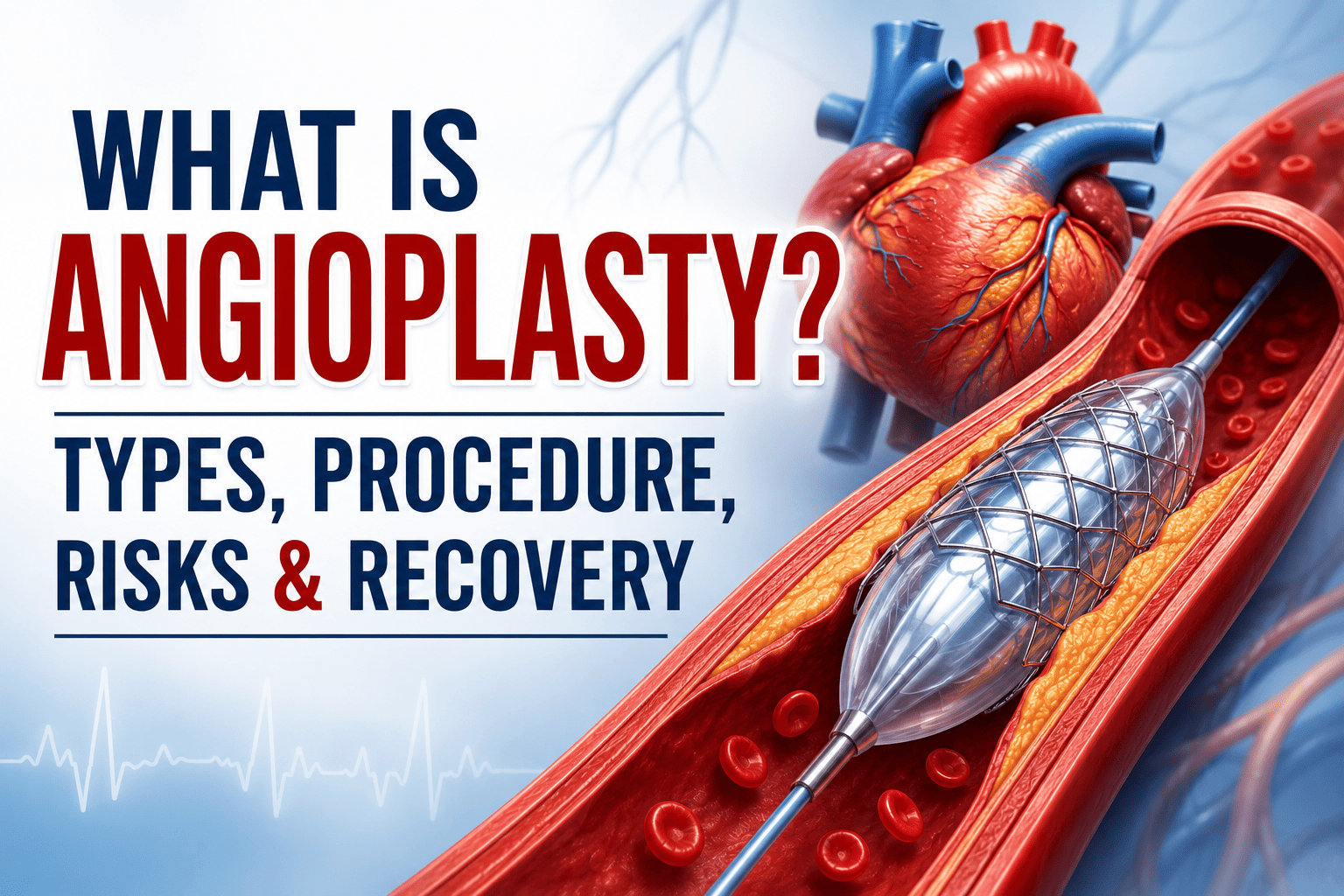
What Is Angioplasty? Types, Procedure, Risks & Recovery
For those suffering from blocked arteries, angioplasty is often an effective remedy for restoring proper circulation. It is a standard treatment for narrowed or blocked arteries, which is also known as percutaneous coronary intervention, or PCI. This procedure creates more space inside arteries that have plaque buildup and reduces the risk of heart attacks. During angioplasty, a surgeon uses a tube to insert a balloon or stent into the affected artery, opening the blockage. Here we will explore an overview of angioplasty, including its types, procedure steps, and recovery.

How to Differentiate Heartburn from a Heart Attack
It is difficult to get to know whether it is a heart attack or a heartburn through its symptoms. A heart attack shows breathlessness as a symptom. But heartburn is often accompanied by bloating and belching. Heart attacks happen when one of the arteries supplying the heart becomes blocked, leading to pain. On the other hand, heartburn is a burning pain typically felt in the upper belly or lower chest, resulting from stomach acid rising in the food pipe. If you are unsure about whether you are experiencing heartburn or a heart attack, it is important to seek advice from a top heart specialist in Hyderabad. There you can get to know all the necessary details. Also, they will guide you to make proper decisions about your health.
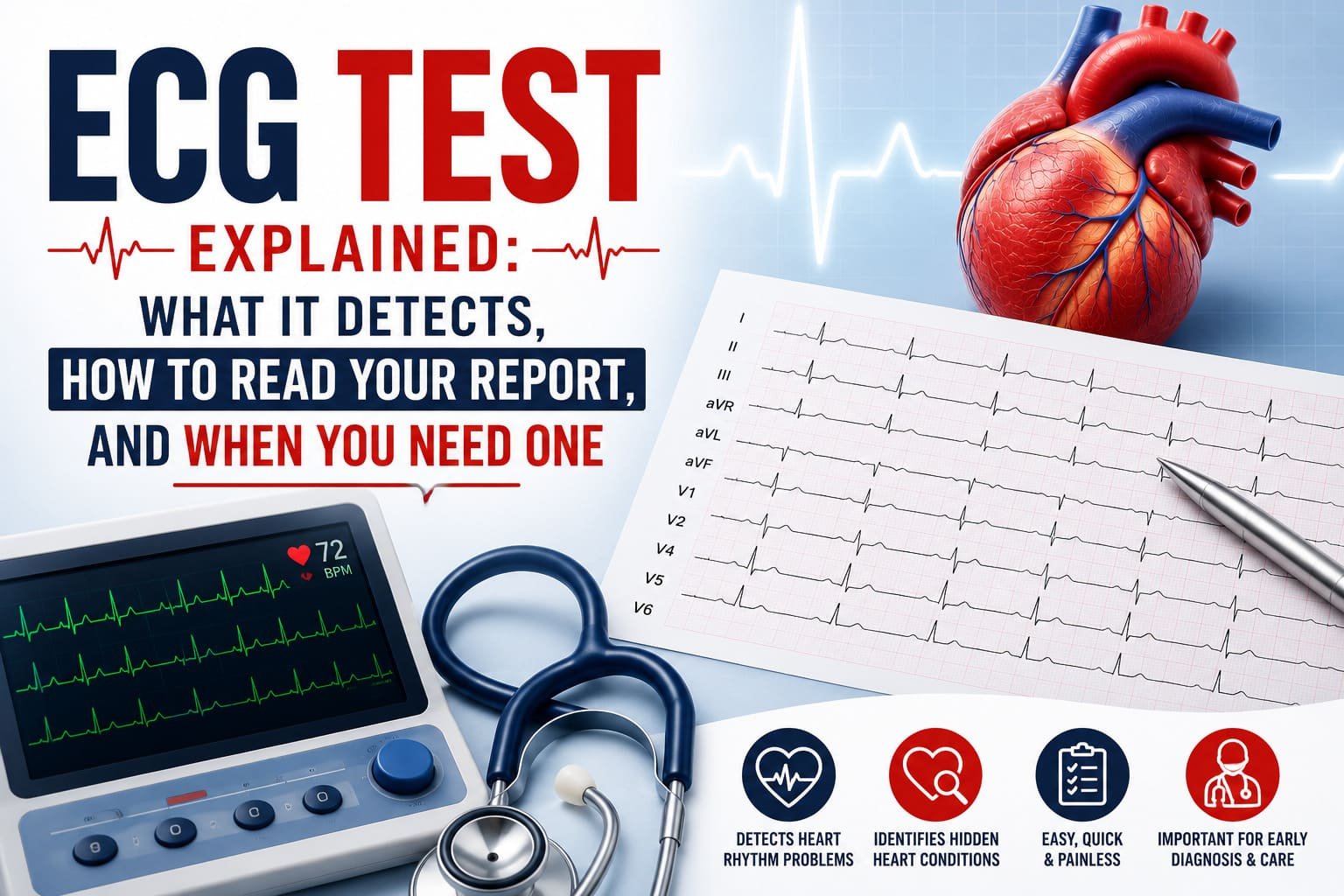
ECG Test Explained What It Detects How to Read Your Report and When You Need One
ECG Test Explained What It Detects How to Read Your Report and When You Need One Have you ever wondered what those lines and waves on an ECG report actually mean An ECG Test is one of the most common and important tests used to evaluate your heart health It is quick painless and can help detect several heart conditions before they become serious Many people experience chest pain palpitations dizziness or shortness of breath and are advised to undergo an ECG Test However most patients do not know what the test looks for or how to understand the results Learning about an ECG can help you recognize when to seek medical care and why early diagnosis is so important What Is an ECG Test An ECG Test also known as an Electrocardiogram records the electrical activity of your heart Every heartbeat begins with an electrical signal that travels through the heart muscle allowing it to pump blood throughout the body During the test small adhesive electrodes are placed on your chest arms and legs These electrodes record your heart activity and produce a graph that your cardiologist uses to evaluate your heart rhythm and detect abnormalities The test usually takes less than five minutes It does not require fasting injections or recovery time making it one of the safest and easiest heart tests available What Does an ECG Test Detect An ECG Test helps doctors identify a wide range of heart conditions including Heart attack Previous silent heart attack Irregular heartbeat Fast heart rate Slow heart rate Poor blood supply to the heart Heart enlargement Electrical conduction disorders Electrolyte imbalance affecting heart rhythm Although an ECG provides valuable information it cannot directly show blocked arteries or measure the pumping strength of the heart Additional tests such as Two Dimensional Echo Stress Test or Coronary Angiogram may be recommended depending on your symptoms How Is an ECG Test Performed An ECG Test is simple comfortable and completely painless You will lie on an examination table while small electrodes are attached to your chest wrists and ankles The ECG machine records your heart activity while you remain relaxed and breathe normally Once the recording is complete the electrodes are removed and you can immediately continue your daily routine How to Read Your ECG Report Your ECG report contains several important measurements that help your cardiologist understand your heart health Heart Rate A normal resting heart rate is usually between sixty and one hundred beats per minute Heart Rhythm Normal Sinus Rhythm indicates that your heart is beating regularly and following a healthy electrical pathway P Wave QRS Complex and T Wave These waves represent different stages of your heartbeat and help identify rhythm abnormalities ST Segment Changes in the ST Segment may indicate reduced blood flow or an ongoing heart attack and should always be evaluated by a cardiologist Remember that an ECG machine provides only an automated interpretation The final diagnosis should always come from an experienced heart specialist Can You Have a Normal ECG and Still Have Heart Disease Yes A normal ECG does not always rule out heart disease Some people with blocked arteries or early heart disease may have a completely normal ECG while resting If symptoms continue your doctor may recommend additional investigations including Blood Tests Troponin Test Two Dimensional Echo Treadmill Stress Test Coronary Angiogram If chest pain is accompanied by sweating breathlessness nausea or pain spreading to the left arm jaw or back seek emergency medical care immediately Types of ECG Tests Resting ECG This is the standard ECG performed while you are lying comfortably Stress ECG Also called the Treadmill Test this records your heart activity while exercising to identify problems that appear only during physical activity Holter Monitor This portable ECG device continuously records your heart rhythm for twenty four to forty eight hours making it useful for detecting occasional irregular heartbeats When Should You Get an ECG Test You should consider getting an ECG Test if you experience Chest pain Palpitations Rapid heartbeat Irregular heartbeat Shortness of breath Dizziness Fainting Pain in the left arm jaw neck or upper back Even if you have no symptoms regular ECG screening is recommended if you have diabetes high blood pressure high cholesterol smoke have a family history of heart disease or are over thirty years of age with heart disease risk factors Common Mistakes Patients Make Many people ignore symptoms because a previous ECG was normal Some rely only on smartwatch ECG readings instead of consulting a cardiologist Others throw away previous ECG reports which makes comparison difficult during future evaluations Never interpret your ECG report without professional medical advice Benefits of an ECG Test Quick and painless Safe and noninvasive No radiation exposure Affordable and widely available Helps detect heart disease early Supports timely diagnosis and treatment Frequently Asked Questions Is an ECG Test painful No An ECG Test is completely painless and takes only a few minutes Can an ECG detect a heart attack Yes It can detect many heart attacks and may also show evidence of previous silent heart attacks Can an ECG detect blocked arteries Not directly Additional tests may be required to identify blocked arteries Do I need to fast before an ECG Test No Fasting is not required for a routine ECG How often should I get an ECG Test People with heart disease risk factors should discuss regular heart screening with their cardiologist Final Thoughts An ECG Test is one of the most valuable tools for evaluating heart health It is fast safe affordable and capable of detecting several serious heart conditions before they become life threatening Understanding what an ECG detects and knowing when to get tested can help you take better care of your heart If you experience chest pain palpitations dizziness or shortness of breath do not ignore your symptoms Consult an experienced cardiologist and undergo an ECG Test for early diagnosis and timely treatment
What Are Heart Palpitations Causes Symptoms and When to Worry
Have you ever felt your heart suddenly racing pounding fluttering or skipping a beat These sensations are known as heart palpitations While they are often harmless and temporary they can sometimes be a sign of an underlying heart condition that requires medical attention
.png)
Pacemaker Implantation: Everything You Need to Know About This Life-Saving Heart Procedure
The human heart relies on a precise electrical system to maintain a steady and effective heartbeat. When this electrical system becomes disrupted, the heart may beat too slowly, too quickly, or irregularly, affecting its ability to pump blood efficiently throughout the body. For many patients with serious heart rhythm disorders, pacemaker implantation can be a life-changing solution. A pacemaker is a small medical device designed to regulate the heartbeat and help restore a normal heart rhythm. This safe and effective procedure has helped millions of people worldwide live healthier, more active lives. According to Dr. Mohammad Asif S, an interventional cardiologist in Hyderabad, early diagnosis and timely treatment of heart rhythm disorders can significantly improve quality of life and prevent serious complications.
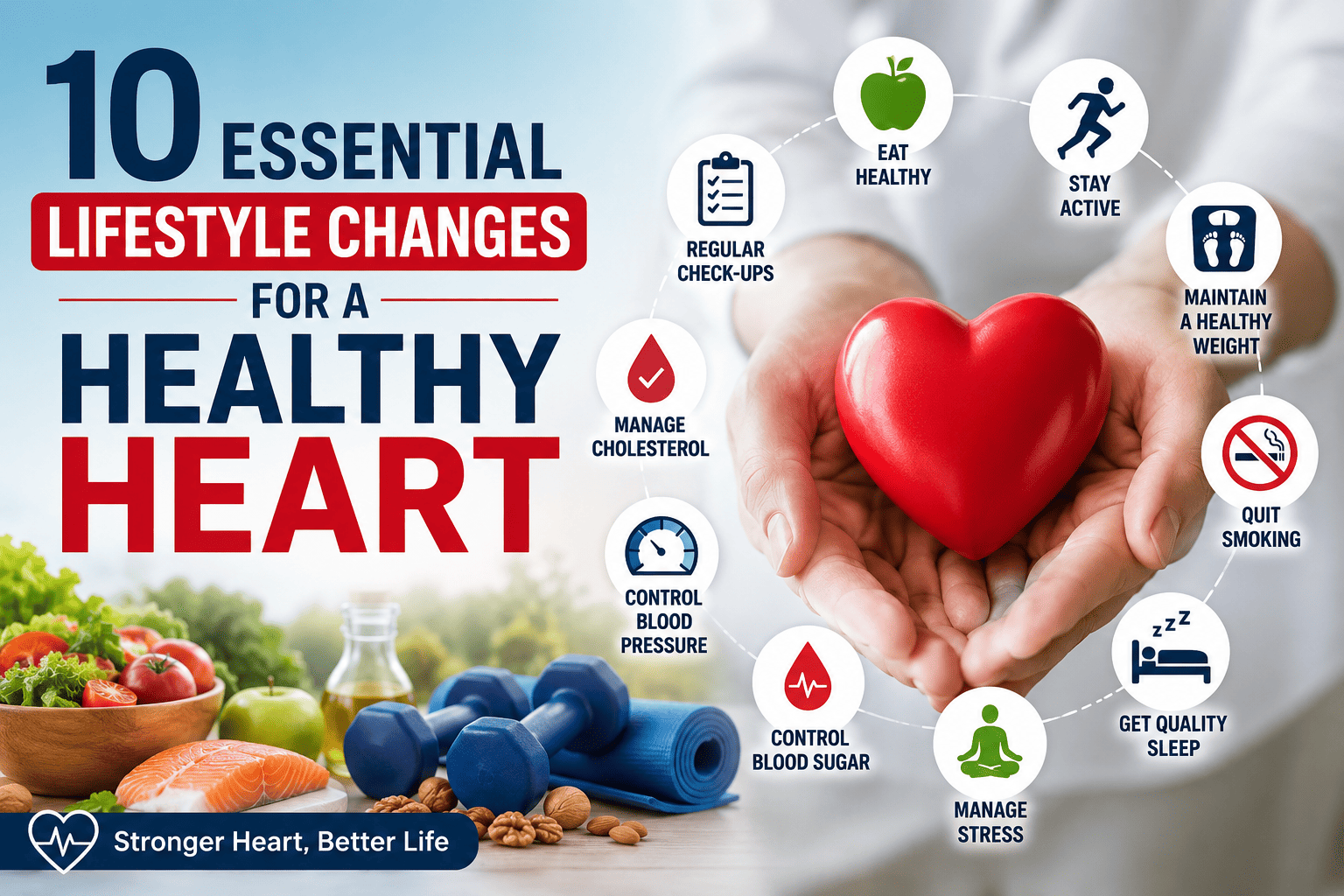
10 Essential Lifestyle Changes for a Healthy Heart
10 Essential Lifestyle Changes for a Healthy Heart
Age-Wise Heart Health Guide: Protecting Your Heart in Your 30s, 40s, and 50s
Your heart works continuously every second of your life, pumping blood and oxygen throughout the body. However, as you age, your heart health needs change. Lifestyle habits, stress, diet, and medical conditions can all affect cardiovascular health differently in your 30s, 40s, and 50s. The good news is that heart disease is largely preventable. By understanding age-specific risks and adopting healthy habits early, you can protect your heart and reduce the risk of serious conditions later in life. This age-wise heart health guide explains how to take care of your heart at every stage of adulthood.
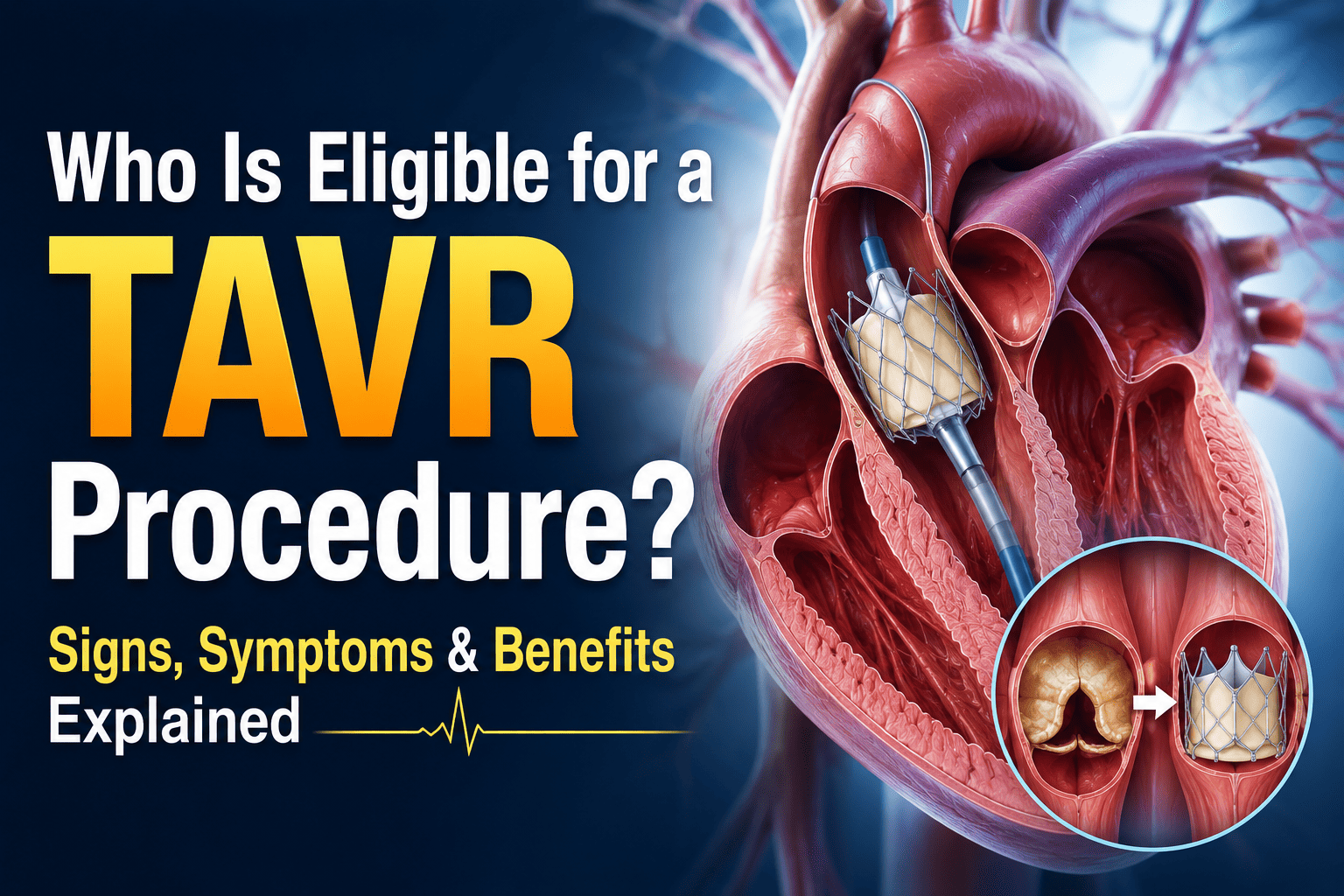
Who Is Eligible for a TAVR Procedure? Signs, Symptoms & Benefits Explained
Heart valve disease is becoming increasingly common, especially among older adults. One of the most serious valve conditions is aortic stenosis, where the aortic valve becomes narrowed and restricts blood flow from the heart. Fortunately, modern cardiology now offers advanced minimally invasive treatments like TAVR (Transcatheter Aortic Valve Replacement). If you or a loved one has been diagnosed with severe aortic stenosis, understanding who is eligible for a TAVR procedure and recognizing the warning signs can help ensure timely treatment and better heart health.
5 Reasons to Watch Your Weight for a Healthier Heart
Maintaining a healthy weight is one of the most important steps toward protecting your heart. Excess weight can increase the risk of high blood pressure, diabetes, high cholesterol, and heart disease. According to leading heart specialists, even small lifestyle changes can make a big difference in cardiovascular health. If you are searching for the Best Cardiologist in Hyderabad, understanding the relationship between weight and heart health can help you make better lifestyle choices and prevent serious complications.
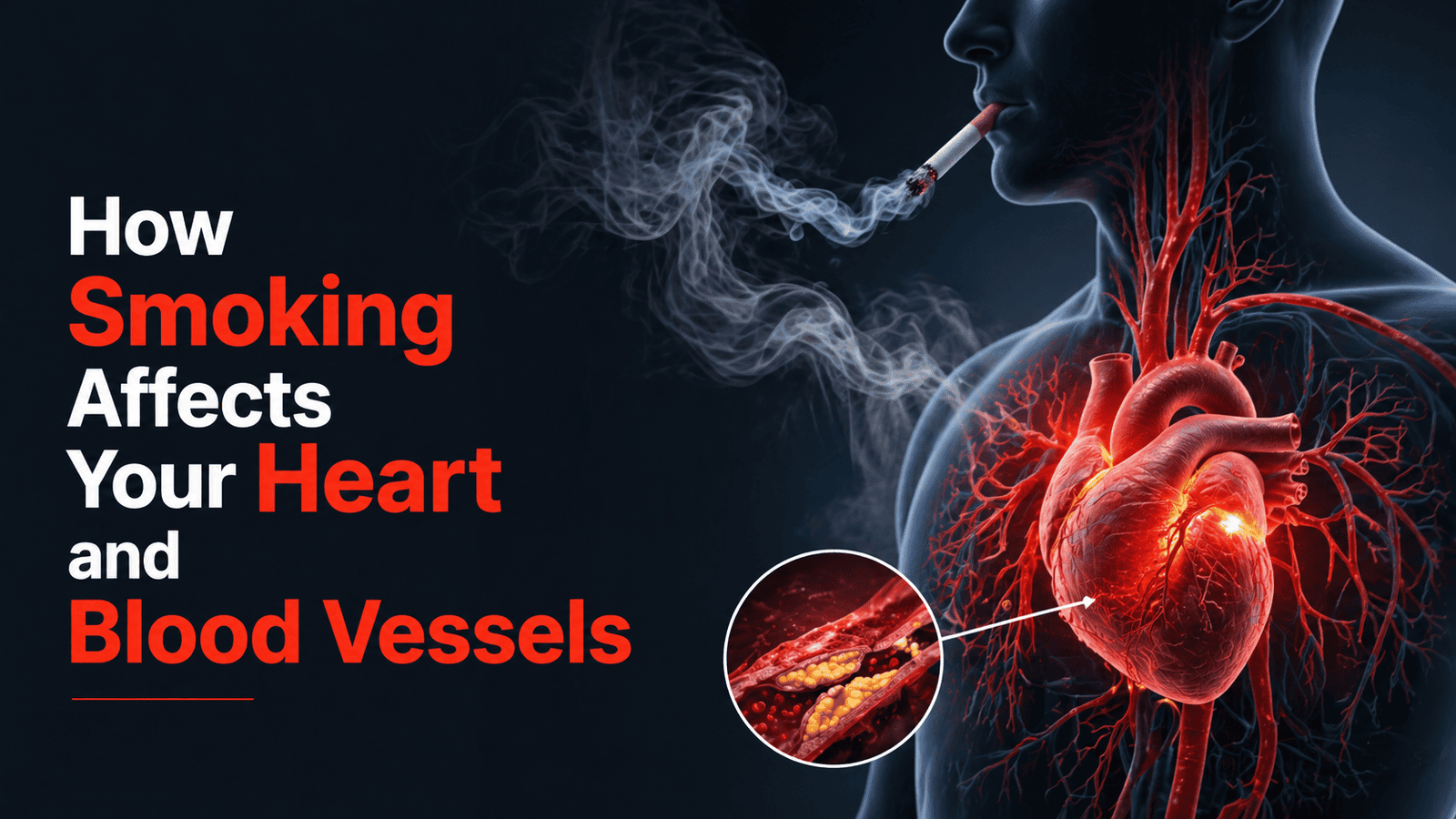
How Smoking Affects Your Heart and Blood Vessels
Smoking doesn’t just harm your lungs—it has a direct, damaging effect on your heart and blood vessels. Cardiovascular disease is one of the leading causes of death, and tobacco use is a major contributor. According to insights shared by the best cardiologist in Hyderabad, even occasional smoking can significantly increase your risk of heart attack and stroke. This blog explains how smoking affects your cardiovascular system and why quitting is one of the most important steps you can take for long-term heart health.

Why Heart Attacks Are Becoming Common in Desk Job Employees
In today’s fast-paced corporate world, desk jobs have become the norm. While they may seem physically less demanding, they come with hidden health risks—especially for the heart. Increasingly, medical experts and the best cardiologist in Hyderabad are observing a rise in heart-related issues among office employees, even at a younger age. A sedentary lifestyle, combined with stress, poor diet, and lack of physical activity, is significantly increasing the risk of heart attacks among desk job professionals. Understanding these risks is the first step toward prevention.
