
Call us for any question
8500003104Meds Super Speciality Hospital
MallepallyTimings: 7 pm to 10 pm
mohammed4248asif@gmail.com



Blog s
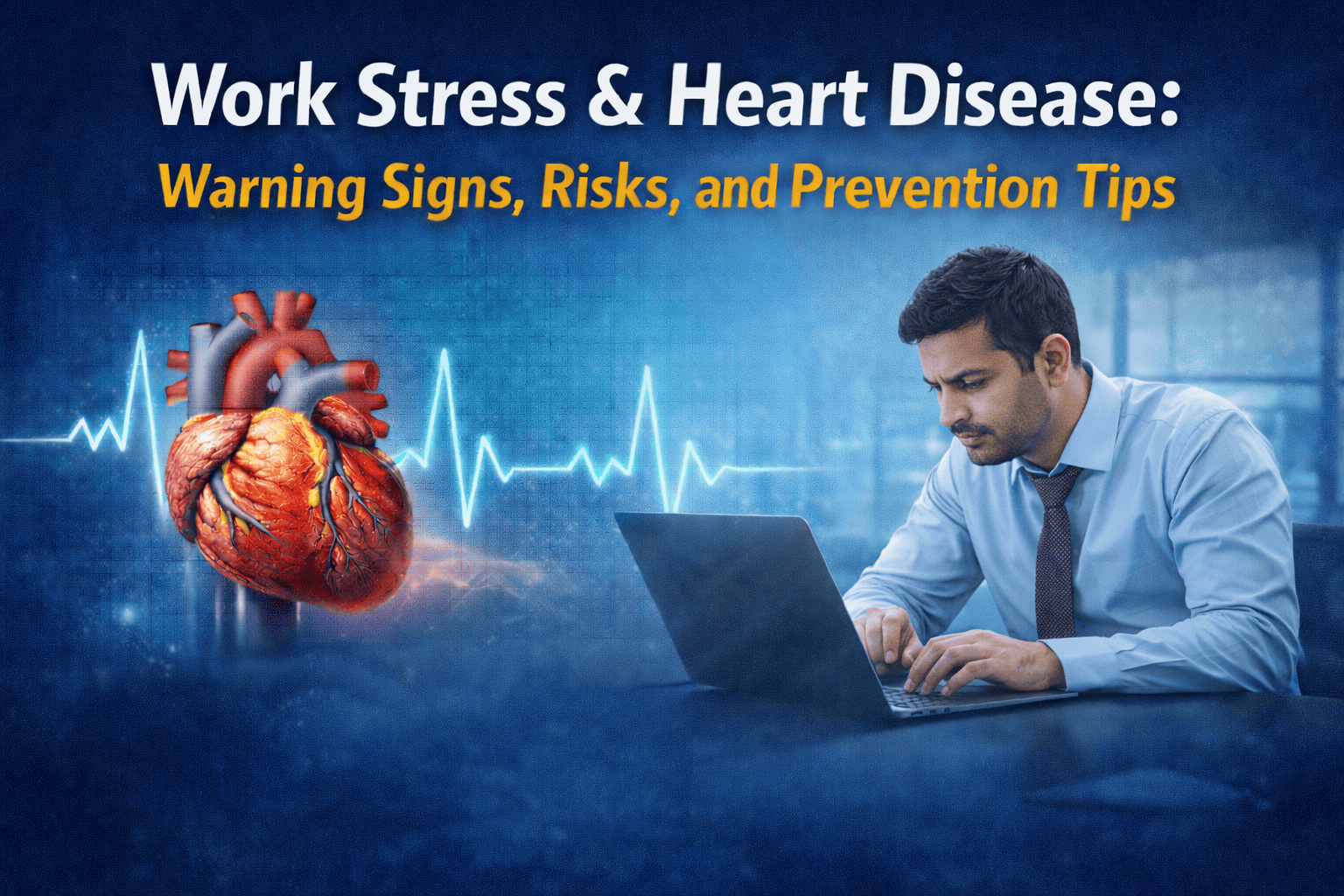
Work Stress & Heart Disease: Warning Signs, Risks, and Prevention Tips
Updated at: 15 Apr 2026
In today’s fast-paced professional world, stress has become a constant companion for many people. Tight deadlines, long working hours, financial pressures, and the need to stay constantly connected can take a serious toll—not just on mental well-being, but also on heart health.
While occasional stress is a natural response, chronic work stress can significantly increase the risk of heart disease. According to leading heart specialists like Dr. Asif, stress-related heart conditions are becoming increasingly common, even among young professionals. Understanding the warning signs, risks, and prevention strategies is essential to protect your heart.
How Work Stress Affects Your Heart
When you experience stress, your body releases hormones like cortisol and adrenaline. These hormones temporarily increase heart rate and blood pressure, preparing your body to handle challenging situations.
However, when stress becomes continuous, the body remains in a prolonged state of alertness. Over time, this leads to:
- Persistent high blood pressure
- Increased cholesterol levels
- Inflammation in blood vessels
- Higher risk of clot formation
These changes can damage arteries and increase the likelihood of heart disease, heart attacks, and stroke.
Warning Signs of Stress-Related Heart Problems
Your body often sends signals when stress begins to affect your heart. Ignoring these symptoms can lead to serious complications.
Common Warning Signs:
- Chest pain or tightness
- Shortness of breath
- Rapid or irregular heartbeat
- Frequent headaches
- Fatigue or low energy
- Anxiety or irritability
- Difficulty sleeping
If you experience these symptoms frequently, it is important to consult a specialist like Dr. Asif for early evaluation.
Major Risks of Chronic Work Stress
Chronic stress doesn’t just affect your mood—it has long-term consequences on your cardiovascular system.
1. High Blood Pressure (Hypertension)
Continuous stress keeps blood pressure elevated, increasing strain on the heart.
2. Coronary Artery Disease
Stress contributes to plaque buildup in arteries, reducing blood flow to the heart.
3. Heart Attack and Stroke
Uncontrolled stress increases the risk of sudden cardiovascular events.
4. Unhealthy Lifestyle Habits
Stress often leads to:
- Poor diet
- Lack of exercise
- Smoking or alcohol use
- Poor sleep
These habits further increase heart disease risk.
5. Mental Health Impact
Stress is closely linked to anxiety and depression, which can worsen heart health and recovery.
Who Is at Higher Risk?
Certain individuals are more vulnerable to stress-related heart issues:
- Corporate employees and IT professionals
- Business owners under constant pressure
- Healthcare workers
- Individuals with poor work-life balance
- People with diabetes, obesity, or hypertension
Even young adults are increasingly at risk due to modern lifestyle patterns.
Prevention Tips to Protect Your Heart
The good news is that stress-related heart disease is largely preventable. Simple lifestyle changes can make a significant difference.
1. Stay Physically Active
Regular exercise helps reduce stress hormones and improves heart function. Aim for at least 30 minutes of activity daily.
2. Follow a Healthy Diet
Eat a balanced diet rich in fruits, vegetables, whole grains, and healthy fats. Avoid processed foods and excessive salt.
3. Prioritize Sleep
Quality sleep is essential for heart health. Aim for 7–8 hours of uninterrupted sleep each night.
4. Practice Stress Management
Incorporate relaxation techniques such as:
- Meditation
- Yoga
- Deep breathing
- Mindfulness
5. Maintain Work-Life Balance
Set boundaries between work and personal life. Take time for hobbies, family, and relaxation.
6. Take Regular Breaks
Short breaks during work can improve productivity and reduce mental fatigue.
7. Avoid Smoking and Limit Alcohol
These habits significantly increase cardiovascular risk and should be avoided.
8. Regular Health Check-ups
Routine check-ups help detect early signs of heart disease and prevent complications.
When Should You See a Cardiologist?
You should consult a specialist if you experience:
- Persistent chest pain
- Breathlessness
- Irregular heartbeat
- Severe fatigue
- High stress levels affecting daily life
Early consultation with experts like Dr. Asif can prevent serious complications and ensure timely treatment.
The Role of Early Intervention
One of the most important aspects of heart care is early detection. Identifying risk factors and symptoms at an early stage allows for better management and reduces the chances of severe outcomes.
With proper guidance, medication (if needed), and lifestyle changes, most stress-related heart conditions can be effectively controlled or even prevented.
Conclusion
Work stress is an unavoidable part of modern life, but its impact on heart health should not be ignored. Chronic stress can silently damage your cardiovascular system, increasing the risk of heart disease, heart attack, and stroke.
By recognizing warning signs early, understanding the risks, and adopting preventive strategies, you can take control of your heart health. With expert guidance from Dr. Asif, along with healthy lifestyle choices, it is possible to stay heart-healthy even in a demanding work environment.
Your heart works tirelessly for you—make sure you take care of it in return.
Comments

Be the first to Comment
Latest Post
-
⇨What Is Angioplasty? Types, Procedure, Risks & Recovery
-
⇨How to Differentiate Heartburn from a Heart Attack
-
⇨ECG Test Explained What It Detects How to Read Your Report and When You Need One
-
⇨What Are Heart Palpitations Causes Symptoms and When to Worry
-
⇨Pacemaker Implantation: Everything You Need to Know About This Life-Saving Heart Procedure
-
⇨10 Essential Lifestyle Changes for a Healthy Heart
-
⇨Age-Wise Heart Health Guide: Protecting Your Heart in Your 30s, 40s, and 50s
-
⇨Who Is Eligible for a TAVR Procedure? Signs, Symptoms & Benefits Explained
-
⇨5 Reasons to Watch Your Weight for a Healthier Heart
-
⇨How Smoking Affects Your Heart and Blood Vessels
-
⇨Why Heart Attacks Are Becoming Common in Desk Job Employees
-
⇨Diabetes and Heart Health: Risks, Symptoms & Prevention Tips
-
⇨Work Stress & Heart Disease: Warning Signs, Risks, and Prevention Tips
-
⇨When Should You Consult a Cardiac Surgeon in Hyderabad?
-
⇨Heat and Heart Health: What You Need to Know This Summer
-
⇨Angioplasty Treatment in Hyderabad – Complete Guide
-
⇨Best Interventional Cardiologist in Hyderabad for Acute Heart Failure Treatment
-
⇨Foods to Be Avoided by Heart Patients
-
⇨Cholesterol Levels: Safe HDL & LDL Ranges for Heart Health
-
⇨The Ultimate Guide to Finding the Best Cardiologist in Hyderabad

Leave a reply